
The Plumeria Pests and Diseases Guide is an essential resource for identifying, preventing, and treating the most common threats to plumeria plants, including pests, fungi, and environmental stressors. This guide offers detailed information on how to recognize early signs of trouble, from insect infestations to fungal infections, and provides practical solutions to address these issues. It also covers strategies for managing environmental factors such as excessive humidity, temperature fluctuations, and poor soil conditions, which can weaken plumeria. With expert tips on natural and chemical treatments, as well as proactive care practices, this guide ensures your plumeria remains healthy, resilient, and free from common ailments, allowing it to thrive season after season.
How to Treat Mealybugs on Plumeria
What to check next
This guide helps you confirm that a living pest is present, identify where it is feeding, and choose a measured response without treating inactive damage. Read the detailed explanation, then use this sequence to decide what to do.
Confirm the evidence for mealybugs
- Look for
- White cottony insects or egg masses in tips, nodes, petiole joints, roots, and protected crevices, often with honeydew and ants.
- Compare with
- Mold, mineral residue, dried latex, and ordinary plant fibers do not move or reveal soft-bodied insects beneath the wax.
- Safest first response
- Isolate the plant, inspect both canopy and roots, physically remove visible colonies, and repeat checks for newly hatched insects.
Microclimate clue: Warm, sheltered, humid locations and crowded collections favor concealed colonies and repeated reinfestation.
- 1
Inspect before treating
Use bright light and magnification on leaf undersides, tips, petioles, stems, and the soil line.
- 2
- 3
Identify the feeding pattern
Separate sucking, chewing, mining, boring, and root-zone damage.
- 4
Start with the least disruptive action
Isolate, wash, and use only a treatment labeled for the confirmed pest and plant.
- 5
Repeat the inspection
Eggs or protected life stages can survive the first response, so follow-up checks matter.
How microclimate changes this answer
Dry heat favors mites, protected humid growth favors some scale and mealybugs, and wet shade increases snail and slug activity.
Compare this insect or pest pattern with healthy growth
Use these references to confirm that this article matches the visible pattern before changing care or applying a treatment.
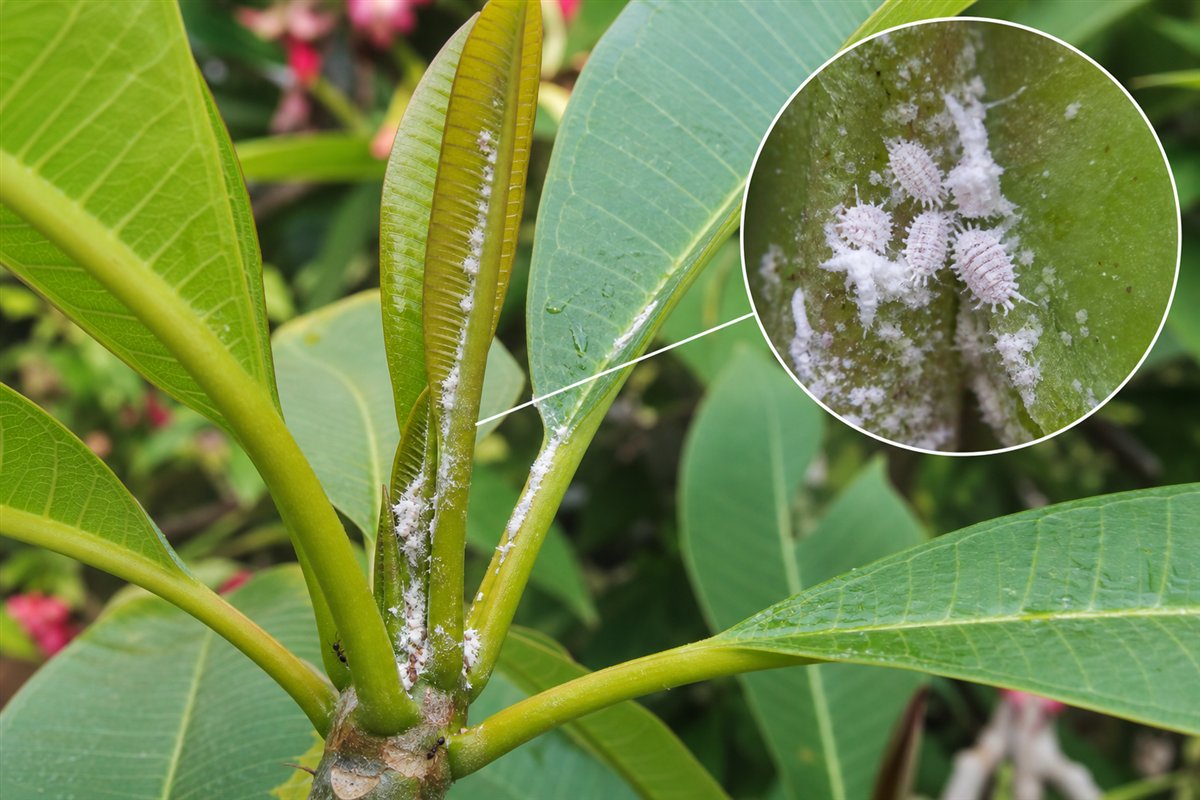 Condition reference
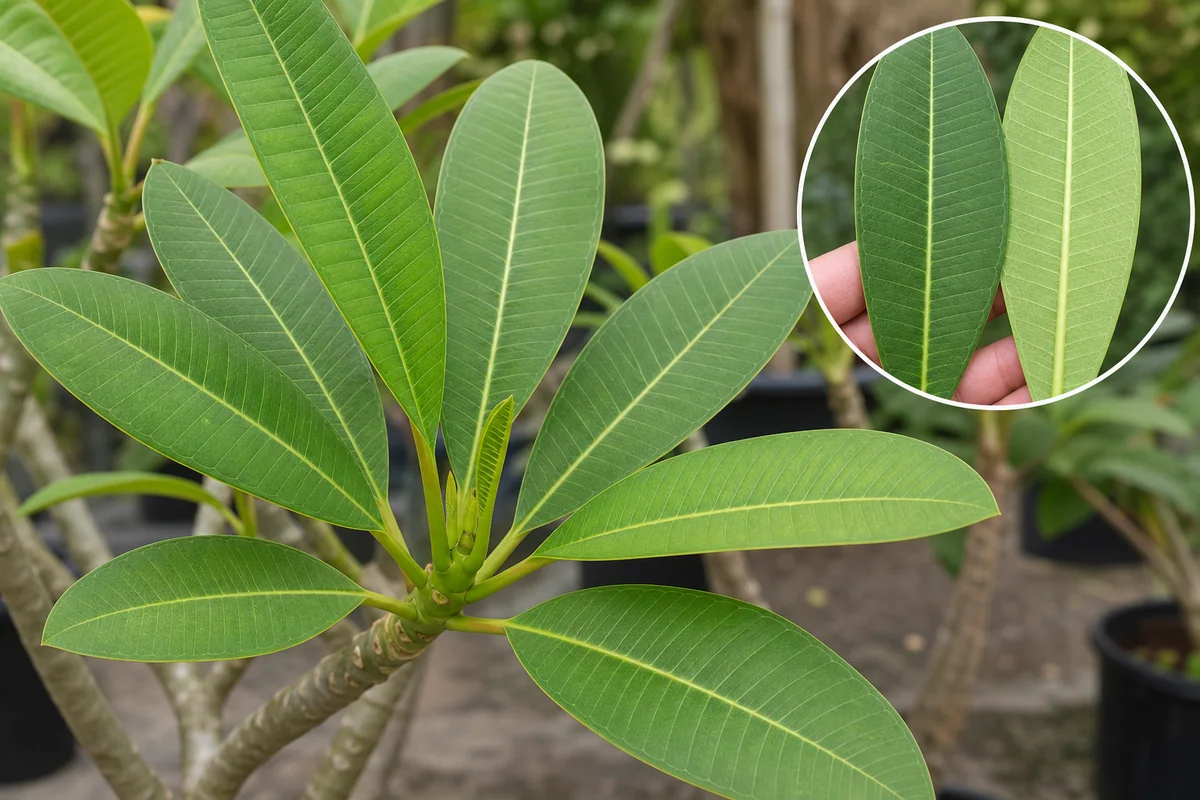 Healthy baseline
- LocationCheck which plant part, age of growth, and exposed or protected side is affected.
- TextureDecide whether the evidence is dry, powdery, sticky, raised, translucent, soft, or intact.
- ProgressionPhotograph the same area so you can tell whether the pattern is stable, improving, or spreading.
Use more than one clue. Confirm the photo with recent conditions, roots, watering history, and the rest of the plant before acting.
Mealybugs decision path: Treat only after the defining evidence is present or the pest has been directly observed.
- Confirm: Confirm white cottony insects or wax at leaf axils, tips, stem joints, or roots. Do not confuse a cottony mealybug colony with hard, immobile scale covers.
- Start conservatively: Isolate when practical, physically remove visible colonies, and clean tight leaf axils and stem joints where survivors remain protected.
- Escalate only when justified: If active pests persist, choose a product specifically labeled for the pest and the treatment site. Follow the label for dilution, coverage, interval, maximum applications, protective equipment, and temperature limits. Test a small area first.
- Protect flowers and beneficial insects: Avoid spraying open blooms or treating when bees and other pollinators are visiting. Never combine products unless both labels expressly allow it.
- Monitor: Inspect joints, undersides, and nearby plants every 5 to 7 days until two consecutive checks are clear.
Microclimate check: Consider recent heat, rain, humidity, wind, indoor protection, plant stage, and whether the plumeria is potted or in-ground before choosing an action. These recommendations are a logical course based on observed evidence, not a guaranteed diagnosis.
Sap-Sucking Pest Diagnostic Path
Use this path when plumeria leaves look sticky, speckled, curled, dusty, bronzed, distorted, puckered, weak, or covered with honeydew or sooty mold. These pests overlap, so inspect undersides, tips, buds, stems, and protected joints before choosing a treatment.
- Start with the sap-sucking pest checklist to compare mites, mealybugs, scale, aphids, whiteflies, thrips, and leafhoppers.
- Check spider mites when leaves look stippled, dusty, bronzed, webbed, or stressed in hot dry weather.
- Check mealybugs when white cottony clusters, hidden colonies, honeydew, ants, or weak growth appear.
- Check scale insects when bumps stay attached to stems, leaves, petioles, or undersides.
- Check aphids when soft insects cluster on tender tips, buds, and new leaves.
- Check whiteflies when tiny white adults flutter from leaf undersides or honeydew and sooty mold appear.
- Check thrips when flowers, buds, or tender growth show silvery scarring, streaking, speckling, or distortion.
- Check leafhoppers when small jumping insects, marginal discoloration, puckered leaves, or fast-moving leaf pests are present.
Why it matters: Broad sprays can miss hidden pests or harm beneficial insects. Matching the pest to the symptom pattern helps you treat only what needs treatment.
Mealybug Guide Path
- Identify mealybugs when white cottony clusters, waxy residue, honeydew, ants, or hidden colonies appear on stems, leaves, tips, or joints.
- Treat mealybugs when active colonies are present, new growth is weakening, or honeydew and ants show the colony is expanding.
- Prevent mealybugs by inspecting protected joints, quarantining new plants, managing ants, cleaning pots/tools, and avoiding crowded sheltered growth.
- Check root mealybugs if the plant declines but leaf and stem inspections do not explain the problem.
Treat mealybugs when active colonies are present, honeydew or ants show the colony is expanding, or new growth is weakening. Mealybug treatment works best when you combine direct removal, ant management, follow-up inspection, and careful product use only when needed.
Mealybugs Article Path
Use this group in order when possible: identify the problem, treat only when needed, then prevent repeat outbreaks or recurrence.
- Identify mealybugs
How to Identify Mealybugs on Plumeria - Treat mealybugs
How to Treat Mealybugs on Plumeria - Prevent mealybugs
How to Prevent Mealybugs on Plumeria
Safety and diagnostics: before applying products, review the Treatment Safety Checklist. If symptoms do not match this group, return to the Pest & Disease Identification Guide.
Best First Steps
- Isolate movable plants. The why: mealybugs can spread through close plant contact, tools, pots, benches, and infested plant material.
- Remove visible clusters by hand, water spray, or a soft brush. The why: physical removal reduces the colony immediately.
- Prune badly infested tender tips when it will not damage the plant. The why: removing the worst colony can reduce rebound.
- Manage ants at the same time. The why: ants may protect honeydew-producing pests from natural enemies.
- Check roots if the plant keeps declining. The why: root mealybugs will not be solved by foliar treatment alone.
Choose the Treatment Level
Start with the least disruptive option that matches an active colony. Leaf and stem mealybugs can often be reduced without a systemic product. Root mealybugs require a separate root-zone plan. Do not apply every option together.
Level 1: Physical and Cultural Control
- Isolate the plant and inspect nearby plants. Keep leaves and branches from touching until two consecutive inspections are clear.
- Remove exposed colonies. Use a firm water rinse, soft brush, or cotton swab on protected joints. Test any alcohol-based spot cleaning on a small area first and keep it away from open flowers and tender stressed tissue.
- Control ants. Ants feed on honeydew and may protect mealybugs from predators and parasitoids.
- Correct excess tender growth. Avoid unnecessary high-nitrogen feeding while colonies are active.
- Check below the soil line. Continued decline after canopy cleanup may indicate root mealybugs or another root problem.
Level 2: Beneficial Predators and Biological Control
Beneficial insects are most useful when mealybugs are correctly identified, ants are controlled, and recent pesticide residues will not kill the beneficials. They work best as part of a program, not as an instant cleanup of a severe infestation.
- Mealybug destroyer (Cryptolaemus montrouzieri): both adults and larvae eat mealybugs. The larvae are larger and waxier than mealybugs, so do not mistake them for the pest. They are especially useful in warm greenhouses, protected growing areas, and climates where they can remain active.
- Green or brown lacewing larvae: general predators that can consume exposed mealybugs and crawlers, but they need access to the colony.
- Lady beetles, hoverfly larvae, predatory midges, minute pirate bugs, and spiders: naturally occurring predators worth conserving outdoors.
- Mealybug parasitoid wasps: useful only when the wasp species matches the mealybug species and growing environment. Specialist advice or a reputable insectary is helpful before release.
- Beauveria bassiana products: a microbial option in some programs when the current label includes the pest, plant, and site. Performance depends strongly on coverage and environmental conditions.
Compatibility warning: broad-spectrum insecticides and some persistent systemic residues can kill predators and parasitoids or remove their food supply. Ask the beneficial-insect supplier about pesticide compatibility and release timing.
Level 3: Organic-Compatible Contact Products
Look for a registered product whose label specifically allows use on ornamental plants in your setting and lists mealybugs or soft-bodied insects. Organic-compatible does not mean harmless to leaves, flowers, pollinators, or beneficial insects.
| Active ingredient or product type | Best use | Important limits |
|---|---|---|
| Potassium salts of fatty acids (insecticidal soap) | Direct contact with exposed crawlers and soft-bodied stages | No useful residual after drying; complete contact matters. Test first and avoid drought-stressed or heat-stressed plumeria. |
| Narrow-range or horticultural oil | Coating exposed insects, crawlers, and egg masses | Wax and hidden joints reduce contact. Avoid high heat, stressed plants, open flowers, and incompatible products as directed by the label. |
| Neem oil | Contact suppression of exposed immature stages when the label allows | Requires coverage and may need repeat applications. It can still injure sensitive tissue or affect beneficial insects on contact. |
| Azadirachtin | Growth and feeding disruption of susceptible immature stages | Results are gradual. Use only where the label includes the site and pest. |
| Beauveria bassiana | Microbial biological treatment in suitable environmental conditions | Needs label-directed coverage and conditions; do not assume it is compatible with every fungicide or beneficial-insect program. |
Contact products work only where they reach the pest. Protected leaf bases, stem joints, undersides, and tight new growth matter more than spraying broad open surfaces. Follow the label for dilution, interval, maximum applications, protective equipment, temperature, and compatibility.
Level 4: Conventional or Systemic Treatment
Consider a conventional contact product, insect growth regulator, or systemic treatment only when the pest is confirmed, the infestation is persistent or spreading, and lower-impact methods are not enough. Choose by active ingredient and current label, not by brand name alone. The label must allow the plant, site, pest, and application method.
Chemical Choices to Compare as a Last Resort
| Active-ingredient group | Where it may fit | Main cautions |
|---|---|---|
| Insect growth regulators, such as buprofezin or pyriproxyfen | Targeting susceptible crawler or immature stages when an ornamental-plant label includes mealybugs | Timing matters and results are not immediate. Some products are professional-use or limited to particular sites. |
| Systemic neonicotinoids, such as dinotefuran or imidacloprid | Persistent, confirmed infestations where a labeled systemic application is justified | Often less reliable against wax-protected mealybugs than growers expect. Avoid use on flowering plants when pollinators may be exposed; protect predators and follow every label restriction. |
| Other labeled systemic or translaminar active ingredients | Professional or site-specific programs where the current label lists mealybugs and ornamental plants | Availability and permitted uses vary. Check the mode-of-action group and do not substitute a crop label for an ornamental-plant label. |
| Broad-spectrum contact insecticides, including some pyrethroids | Rarely the preferred choice; only when the label fits and targeted options are unsuitable | May not penetrate wax or protected joints and can kill beneficial insects, trigger secondary pests, and expose pollinators. |
Before buying: read the active ingredient, EPA registration information where applicable, labeled pest, labeled plant or ornamental use, indoor or outdoor site, application method, pollinator restrictions, reapplication interval, maximum applications, and required protective equipment. Brand names can contain different active ingredients in different products.
- Avoid systemic insecticides on flowering plants when the label, timing, or pollinator risk makes their use inappropriate.
- Do not apply a soil drench simply because foliar treatment failed; first determine whether the pest is in the canopy or root zone.
- Do not combine soaps, oils, sulfur, pesticides, fertilizers, or homemade mixtures unless the labels specifically permit the combination.
- Rotate modes of action only when repeated treatment is truly needed and the labels allow it; repeated use of one group can select for resistance.
Root Mealybugs Need a Different Plan
White wax around roots, pot walls, drainage holes, or media pockets points to the root-zone guide. Foliar soap or oil will not solve a colony living in the potting mix. Isolate the plant, inspect the root ball, discard infested media when practical, clean or replace the container, and use only a root-zone treatment whose label allows that use. Open the Root Mealybug Guide.
What Not to Do
- Do not rely on one visible cleanup. The why: eggs, crawlers, and hidden insects can remain in joints and under wax.
- Do not spray only the easiest surfaces. The why: the insects hide where coverage is poor.
- Do not ignore the root zone when foliar treatment fails. The why: root mealybugs and other soil pests can cause continued decline.
- Do not use harsh treatments on stressed cuttings or seedlings without caution. The why: weak tissue can be damaged more easily than mature plants.
Follow-Up Schedule
| When | What to do | What the result means |
|---|---|---|
| Day 0 | Photograph the colony, isolate the plant, remove exposed pests, manage ants, and record any product or beneficial release. | This creates a baseline and prevents repeated treatment based only on old residue. |
| Day 3 to 7 | Inspect tips, leaf bases, stem joints, undersides, soil line, pot rim, and nearby plants. | Fresh crawlers, honeydew, or cottony material means the colony is still active. |
| Day 7 to 14 | Repeat only the label-approved treatment or biological-release step that is due. Do not automatically add another product. | Fewer live insects and no expanding honeydew suggest progress. |
| Day 21 to 30 | Inspect again and compare with the original photograph. | Two consecutive clear inspections support ending active treatment while continuing routine monitoring. |
Reconsider the diagnosis if the plant continues to decline without active canopy mealybugs. Inspect the roots, moisture, drainage, and possible look-alikes before escalating. Use the treat vs. monitor guide when only a few pests remain and beneficial insects are active.
Related Guides
- How to Identify Mealybugs on Plumeria
- How to Prevent Mealybugs on Plumeria
- How to Identify and Treat Root Mealybugs in Plumeria
- Soil Drenches, Sprays, and Foliar Applications
- Treatment Safety Checklist
Turn the explanation into an action plan
- Monitor
- Check the same marked leaves and nearby plants every three to seven days until no active pests or fresh damage remain.
- Change one thing
- Make the smallest justified correction, record the date, and avoid stacking treatments before you can see which one helped.
- Escalate when needed
- Seek local diagnostic help when damage accelerates despite treatment, borers enter major stems, or the pest cannot be identified.