
The Plumeria Pests and Diseases Guide is an essential resource for identifying, preventing, and treating the most common threats to plumeria plants, including pests, fungi, and environmental stressors. This guide offers detailed information on how to recognize early signs of trouble, from insect infestations to fungal infections, and provides practical solutions to address these issues. It also covers strategies for managing environmental factors such as excessive humidity, temperature fluctuations, and poor soil conditions, which can weaken plumeria. With expert tips on natural and chemical treatments, as well as proactive care practices, this guide ensures your plumeria remains healthy, resilient, and free from common ailments, allowing it to thrive season after season.
How to Identify Leafhoppers on Plumeria – Signs, Damage & Detection
What to check next
This guide helps you confirm that a living pest is present, identify where it is feeding, and choose a measured response without treating inactive damage. Read the detailed explanation, then use this sequence to decide what to do.
Confirm the evidence for leafhoppers
- Look for
- Wedge-shaped insects that hop or fly quickly, pale stippling, cast skins, and feeding concentrated on leaves or tender stems.
- Compare with
- Mites, whiteflies, planthoppers, and nutrient or sun stress may cause pale leaves without the characteristic mobile insect.
- Safest first response
- Confirm the insect with a close photo or capture, inspect nearby weeds and hosts, and treat only active damaging populations.
Microclimate clue: Warm seasons and nearby host vegetation can produce short bursts of leafhopper activity rather than a permanent colony.
- 1
Inspect before treating
Use bright light and magnification on leaf undersides, tips, petioles, stems, and the soil line.
- 2
- 3
Identify the feeding pattern
Separate sucking, chewing, mining, boring, and root-zone damage.
- 4
Start with the least disruptive action
Isolate, wash, and use only a treatment labeled for the confirmed pest and plant.
- 5
Repeat the inspection
Eggs or protected life stages can survive the first response, so follow-up checks matter.
How microclimate changes this answer
Dry heat favors mites, protected humid growth favors some scale and mealybugs, and wet shade increases snail and slug activity.
Compare this insect or pest pattern with healthy growth
Use these references to confirm that this article matches the visible pattern before changing care or applying a treatment.
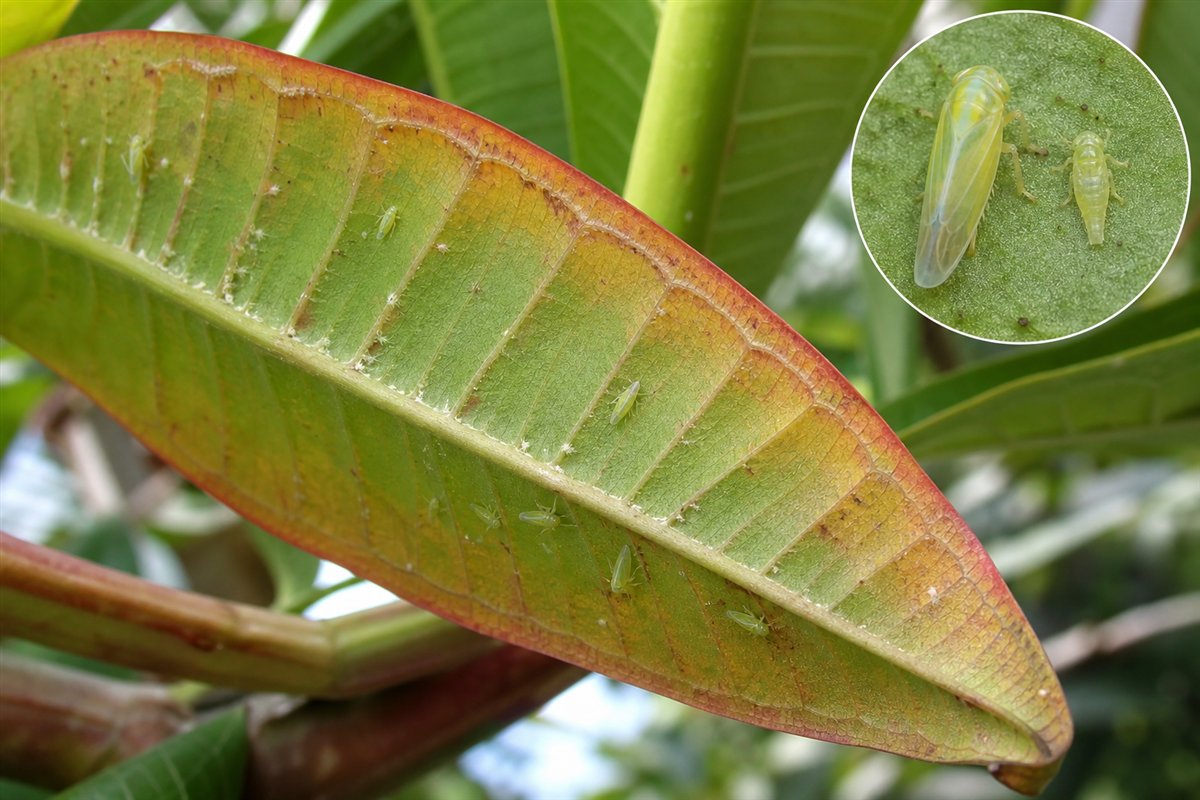 Condition reference
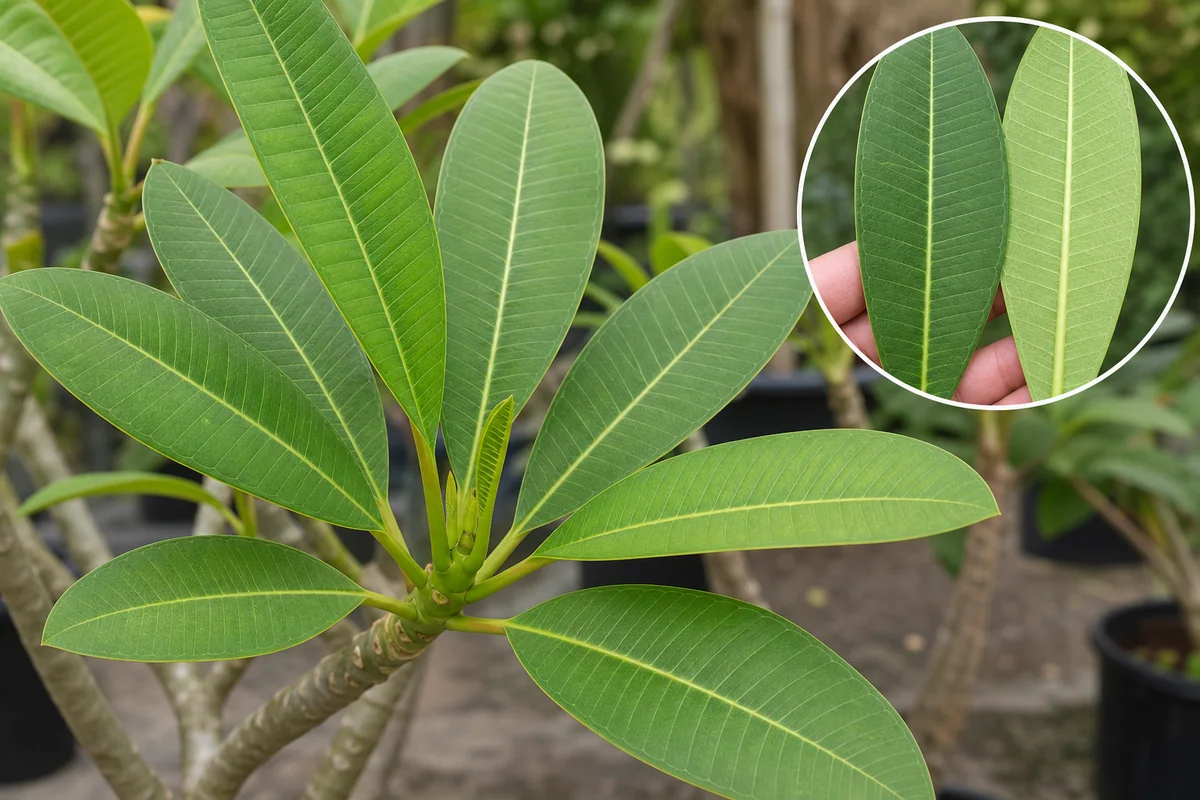 Healthy baseline
- LocationCheck which plant part, age of growth, and exposed or protected side is affected.
- TextureDecide whether the evidence is dry, powdery, sticky, raised, translucent, soft, or intact.
- ProgressionPhotograph the same area so you can tell whether the pattern is stable, improving, or spreading.
Use more than one clue. Confirm the photo with recent conditions, roots, watering history, and the rest of the plant before acting.
Sap-Sucking Pest Diagnostic Path
Use this path when plumeria leaves look sticky, speckled, curled, dusty, bronzed, distorted, or weakened. These pests overlap in symptoms, so inspect leaf undersides, tips, buds, stems, and protected joints before choosing a treatment.
- Start with the sap-sucking pest checklist to compare mites, mealybugs, scale, aphids, whiteflies, thrips, and leafhoppers.
- Check spider mites when leaves look stippled, dusty, bronzed, or webbed, especially in hot, dry weather.
- Check whiteflies when tiny white adults flutter from leaf undersides or honeydew and sooty mold appear.
- Check thrips when flowers, buds, or tender growth show silvery scarring, streaking, or distortion.
- Check leafhoppers when small jumping insects, marginal discoloration, puckered leaves, or fast-moving leaf pests are present.
Why it matters: Broad sprays can miss hidden pests or harm beneficial insects. Matching the pest to the symptom pattern helps you treat only what needs treatment.
Leafhoppers are small, fast-moving sap-sucking insects that can be easy to miss on plumeria. They usually hide on the underside of leaves, move sideways when disturbed, and jump or fly quickly. The insects are often pale green, yellowish green, brown, or mottled, depending on species and age.
Where This Page Fits
Primary leafhopper identification guide. Use this page when small wedge-shaped insects jump or move quickly and leaves show speckling, spotting, curling, or sap-feeding stress.
- If symptoms overlap with mites, scale, aphids, whiteflies, or thrips, compare them in the Sap-Sucking Pest Checklist. If leafhoppers are active and damage is increasing, use How to Treat Leafhoppers on Plumeria. For routine seasonal prevention, use How to Prevent Leafhoppers on Plumeria.
Leafhoppers Article Path
Use this group in order when possible: identify the problem, treat only when needed, then prevent repeat outbreaks or recurrence.
- Identify leafhoppers
How to Identify Leafhoppers on Plumeria – Signs, Damage & Detection - Treat leafhoppers
How to Treat Leafhoppers on Plumeria (Organic & Chemical Control Methods) - Prevent leafhoppers
How to Prevent Leafhoppers on Plumeria (Year-Round and Seasonal Strategies)
Safety and diagnostics: before applying products, review the Treatment Safety Checklist. If symptoms do not match this group, return to the Pest & Disease Identification Guide.
On plumeria, leafhopper damage may look like a nutrient problem, heat stress, mites, or disease. That is why the best diagnosis combines symptoms with direct inspection. Look for the pest, cast skins, feeding marks, and a damage pattern that starts on young or expanding leaves.
Identity note: Leafhoppers belong to the family Cicadellidae. A serious plumeria leafhopper problem in California and Hawaii has been associated with Empoasca leafhoppers, including Steven’s leafhopper, Empoasca stevensi. Exact species identification can require an expert, so growers should diagnose by pest behavior, leaf location, and symptoms before treating.
Photo and Confirmation Checklist
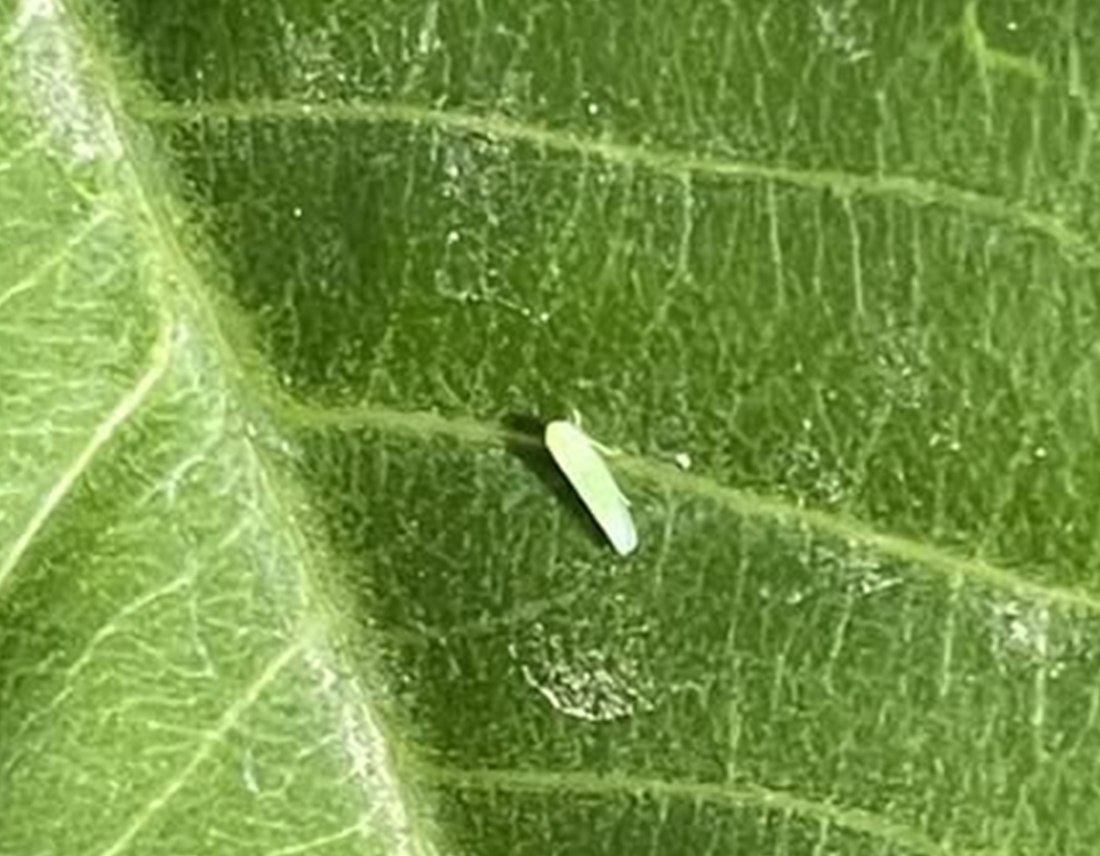
- Check the underside of young and recently expanded leaves, especially near veins.
- Look for small wedge-shaped insects that move sideways, jump, or fly when disturbed.
- Look for pale cast skins stuck to the underside of leaves.
- Photograph the insect and the leaf symptoms together when possible.
- Compare with mites, thrips, whiteflies, aphids, scale, rust, and nutrient stress before treating.
Leafhopper Guide Path
- Identify leafhoppers when leaves show marginal yellowing, pink or bronze discoloration, puckering, hooked tips, cast skins, or small insects that jump or move sideways.
- Treat leafhoppers when active nymphs or adults are present and new damage is spreading.
- Prevent leafhoppers by inspecting new plants, reducing stress, encouraging beneficial insects, and monitoring young leaves during warm weather.
Quick ID
- Insect: Small, slender, wedge-shaped leafhopper; often light green to yellow-green on plumeria.
- Movement: Fast sideways movement, quick jumping, or sudden flight when the leaf is disturbed.
- Location: Usually on the underside of leaves, especially young leaves and leaves with active symptoms.
- Early damage: Light mottling, pale speckling, or faint yellowing near leaf margins.
- Advanced damage: Marginal yellowing, reddish or bronze color, puckered leaf tissue, cupping, hooked leaf tips, and premature leaf drop.
- Extra clue: Small white sap spots or feeding marks may appear along the underside veins.
Symptoms on Plumeria
Leafhopper feeding removes sap and can inject irritating saliva into the leaf tissue. On plumeria, this can create a pattern sometimes called hopperburn: leaf edges turn pale or yellow, then may become pinkish, reddish, bronze, scorched, or dry. The center of the leaf may stay greener than the margins, which can make the problem look like a nutrient imbalance.
Severe infestations can distort new leaves. Look for puckering between veins, corrugated-looking tissue, cupped leaves, and leaf tips that bend downward like a small hook. If young leaves are repeatedly damaged, the plant may lose useful leaf area and flower production can slow.
Leafhoppers vs. Look-Alikes
- Spider mites: Cause fine stippling, dusty or bronzed leaves, and sometimes webbing; mites are tiny moving dots, not jumping wedge-shaped insects.
- Thrips: Often scar flowers, buds, and tender growth with silvery streaks or distorted petals.
- Whiteflies: Flutter in clouds from leaf undersides and often leave honeydew or sooty mold.
- Scale and mealybugs: Stay attached or clustered on stems, petioles, leaf ribs, and protected joints.
- Nutrient or heat stress: Can discolor leaves, but it will not leave cast skins, jumping insects, or repeated feeding marks on the underside veins.
- Rust or powdery mildew: Produces fungal growth, pustules, or powdery coating rather than fast-moving insects.
How to Confirm
- Inspect in bright light with a hand lens if available.
- Turn leaves over and check the midrib and side veins.
- Tap a symptomatic leaf over white paper and watch for jumping or sideways-moving insects.
- Shake the foliage lightly and watch for insects darting out and returning to the leaves.
- Check several cultivars, because damage may be worse on thinner-leaved or more stressed plants.
What confirms leafhoppers
Leafhoppers are small, wedge-shaped insects in the family Cicadellidae. They often move sideways, jump, or fly quickly when disturbed.
- Check leaf undersides and tender growth for pale, narrow insects or shed skins.
- Look for stippling, small pale flecks, tip stress, or light feeding marks rather than chewing holes.
- Distinguish them from whiteflies, which rise as tiny white flying insects, and thrips, which are narrower and often damage buds or flowers.
- Because they move quickly, photos are especially helpful for confirmation.
Related Guides
- How to Treat Leafhoppers on Plumeria (Organic & Chemical Control Methods)
- How to Prevent Leafhoppers on Plumeria (Year-Round and Seasonal Strategies)
- Sap-Sucking Pest Checklist
- When to Treat vs. Monitor Plumeria Pests
- Treatment Safety Checklist
Help Improve This Photo Reference
If you have a clear plumeria photo of leafhoppers, you can help improve this guide. The most useful photos show the insect on a plumeria leaf, pale feeding marks, cast skins if present, and a wider photo showing which leaves are affected.
Submit a photo for review. Photos are not published automatically; they are checked for permission, plant context, and diagnostic accuracy before being used.
Turn the explanation into an action plan
- Monitor
- Check the same marked leaves and nearby plants every three to seven days until no active pests or fresh damage remain.
- Change one thing
- Make the smallest justified correction, record the date, and avoid stacking treatments before you can see which one helped.
- Escalate when needed
- Seek local diagnostic help when damage accelerates despite treatment, borers enter major stems, or the pest cannot be identified.