
The Plumeria Pests and Diseases Guide is an essential resource for identifying, preventing, and treating the most common threats to plumeria plants, including pests, fungi, and environmental stressors. This guide offers detailed information on how to recognize early signs of trouble, from insect infestations to fungal infections, and provides practical solutions to address these issues. It also covers strategies for managing environmental factors such as excessive humidity, temperature fluctuations, and poor soil conditions, which can weaken plumeria. With expert tips on natural and chemical treatments, as well as proactive care practices, this guide ensures your plumeria remains healthy, resilient, and free from common ailments, allowing it to thrive season after season.
How to Prevent Leafhoppers on Plumeria (Year-Round and Seasonal Strategies)
What to check next
This guide helps you confirm that a living pest is present, identify where it is feeding, and choose a measured response without treating inactive damage. Read the detailed explanation, then use this sequence to decide what to do.
Confirm the evidence for leafhoppers
- Look for
- Wedge-shaped insects that hop or fly quickly, pale stippling, cast skins, and feeding concentrated on leaves or tender stems.
- Compare with
- Mites, whiteflies, planthoppers, and nutrient or sun stress may cause pale leaves without the characteristic mobile insect.
- Safest first response
- Confirm the insect with a close photo or capture, inspect nearby weeds and hosts, and treat only active damaging populations.
Microclimate clue: Warm seasons and nearby host vegetation can produce short bursts of leafhopper activity rather than a permanent colony.
- 1
Inspect before treating
Use bright light and magnification on leaf undersides, tips, petioles, stems, and the soil line.
- 2
- 3
Identify the feeding pattern
Separate sucking, chewing, mining, boring, and root-zone damage.
- 4
Start with the least disruptive action
Isolate, wash, and use only a treatment labeled for the confirmed pest and plant.
- 5
Repeat the inspection
Eggs or protected life stages can survive the first response, so follow-up checks matter.
How microclimate changes this answer
Dry heat favors mites, protected humid growth favors some scale and mealybugs, and wet shade increases snail and slug activity.
Compare this insect or pest pattern with healthy growth
Use these references to confirm that this article matches the visible pattern before changing care or applying a treatment.
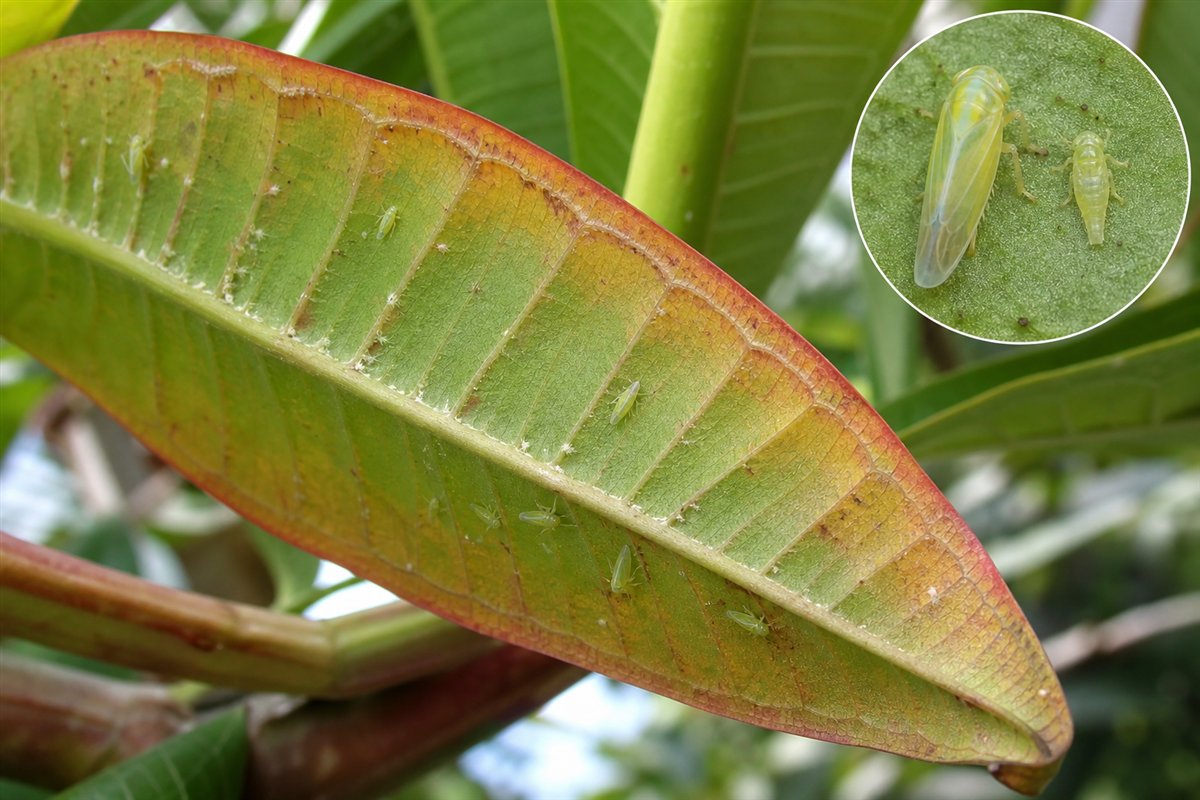 Condition reference
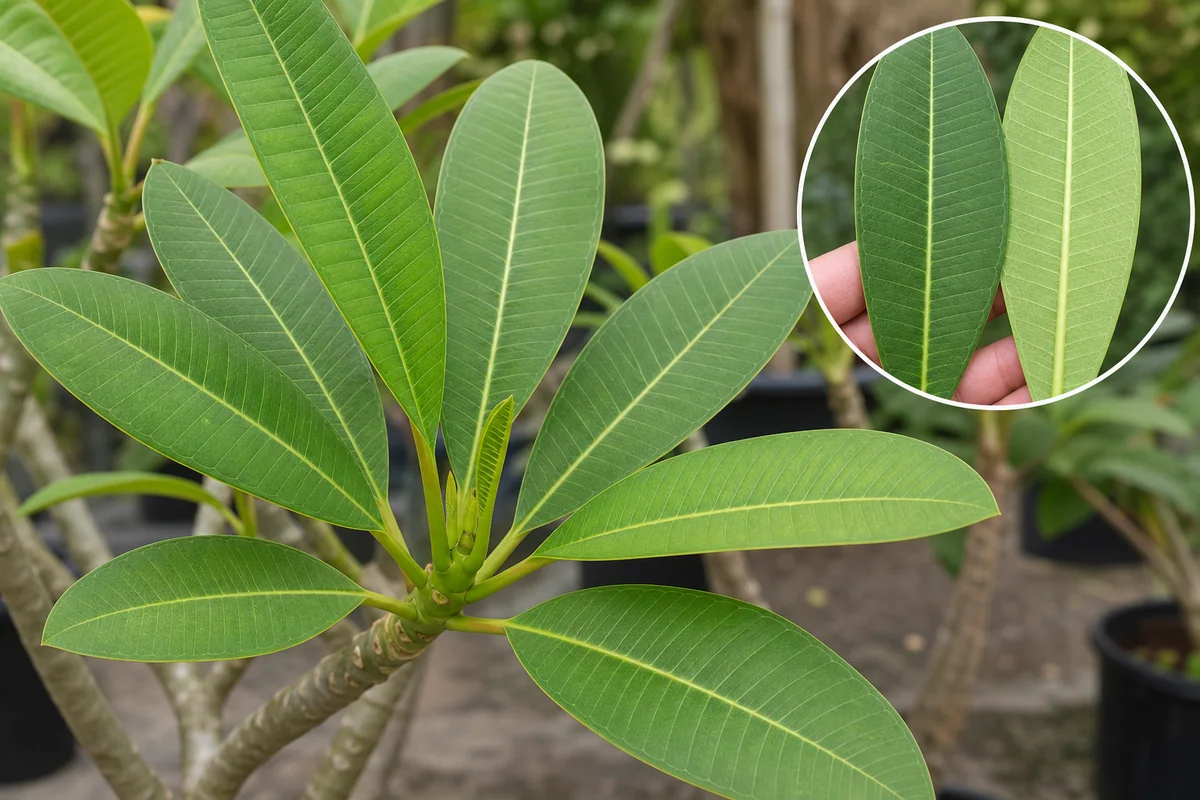 Healthy baseline
- LocationCheck which plant part, age of growth, and exposed or protected side is affected.
- TextureDecide whether the evidence is dry, powdery, sticky, raised, translucent, soft, or intact.
- ProgressionPhotograph the same area so you can tell whether the pattern is stable, improving, or spreading.
Use more than one clue. Confirm the photo with recent conditions, roots, watering history, and the rest of the plant before acting.
Leafhopper Guide Path
- Identify leafhoppers when leaves show marginal yellowing, pink or bronze discoloration, puckering, hooked tips, cast skins, or small insects that jump or move sideways.
- Treat leafhoppers when active nymphs or adults are present and new damage is spreading.
- Prevent leafhoppers by inspecting new plants, reducing stress, encouraging beneficial insects, and monitoring young leaves during warm weather.
Leafhopper prevention is mostly about early detection, plant health, and avoiding conditions that allow a small population to become a collection-wide problem. Because leafhoppers move quickly and may lay eggs in young leaf tissue, prevention works best before damage becomes widespread.
Where This Page Fits
Leafhopper prevention guide. Use this page to reduce leafhopper pressure with inspection habits, weed control, airflow, beneficial insects, and seasonal timing.
- If insects are active now, identify them with How to Identify Leafhoppers on Plumeria. If confirmed damage is spreading, use How to Treat Leafhoppers on Plumeria. For broader sap-sucking pest comparison, use the Sap-Sucking Pest Checklist.
Leafhoppers Article Path
Use this group in order when possible: identify the problem, treat only when needed, then prevent repeat outbreaks or recurrence.
- Identify leafhoppers
How to Identify Leafhoppers on Plumeria – Signs, Damage & Detection - Treat leafhoppers
How to Treat Leafhoppers on Plumeria (Organic & Chemical Control Methods) - Prevent leafhoppers
How to Prevent Leafhoppers on Plumeria (Year-Round and Seasonal Strategies)
Safety and diagnostics: before applying products, review the Treatment Safety Checklist. If symptoms do not match this group, return to the Pest & Disease Identification Guide.
For plumeria growers, the most important prevention habit is regular underside inspection of young leaves during warm weather. The second is reducing plant stress, because stressed leaves are less able to tolerate feeding damage.
Prevention Checklist
- Inspect new plants before placing them near the collection. Look for cupped leaves, marginal yellowing, cast skins, and fast-moving insects on leaf undersides.
- Quarantine suspicious plants. Keep new or symptomatic plants separate long enough to watch young leaves expand cleanly.
- Check young leaves weekly in warm weather. Leafhoppers often favor tender, developing, or recently expanded leaves.
- Hose foliage in the morning when pressure is building. A canopy rinse can dislodge nymphs and reduce dust without extending nighttime leaf wetness.
- Avoid drought stress. Dry, stressed plants may show more severe hopperburn and recover more slowly.
- Encourage beneficial insects. Mixed plantings, fewer broad sprays, and flowering companion plants can support predators that help keep sap-sucking pests in check.
- Remove heavily infested leaf debris. Bag and discard leaves when they are carrying active pests or cast skins.
- Use yellow sticky cards for monitoring, not as the only control. Cards can show activity but will not protect a plant by themselves.
Seasonal Timing
- Spring: Inspect new growth as leaves begin expanding. Catching leafhoppers early protects the first flush of foliage.
- Summer: Watch closely during hot, dry periods and when plants are dusty or crowded. Rinse canopies in the morning when needed.
- Late season: Remove badly damaged leaves and reduce carryover sites before plants slow down.
- Winter storage: Inspect protected plants before bringing them into enclosed spaces where pests can persist without rain or predators.
What Not to Do
- Do not spray preventively without finding pests. Unnecessary sprays can harm beneficial insects and still miss the real problem.
- Do not let dusty leaves stay dusty all season. Dust can favor pest buildup and reduce the effectiveness of natural predators.
- Do not overwater roots while trying to help leaves. Leafhopper prevention needs healthy roots, but soggy media can create a different problem.
- Do not assume every yellow edge is nutrition. Leafhopper hopperburn can mimic nutrient stress, especially when the center of the leaf stays greener than the edges.
- Do not ignore new plants from outside sources. Leafhoppers, eggs, or early symptoms may arrive before the pest is obvious.
Signs Prevention Is Working
- New leaves expand flatter and greener.
- Leaf tips are not hooking or cupping downward.
- Fewer cast skins appear on leaf undersides.
- Yellow sticky cards catch fewer leafhoppers over time.
- Beneficial insects remain active in the garden.
- Plants continue normal leaf and flower development.
Leafhopper Prevention Check
Leafhopper prevention means watching for quick-moving, wedge-shaped insects before feeding spreads. Leafhoppers belong to the family Cicadellidae and may move in from surrounding vegetation, weeds, or nearby ornamentals.
- Inspect new growth and leaf undersides. Why: early feeding can be light and easy to miss.
- Manage weeds and nearby host plants. Why: leafhoppers can move in from surrounding vegetation.
- Use sticky cards as a monitoring tool. Why: they can alert you to flying or jumping pests, but they do not replace leaf inspection.
- Preserve beneficial insects where possible. Why: unnecessary broad sprays can make sap-feeding pest problems worse later.
- Record timing and conditions. Why: recurring seasonal pressure is easier to catch early next time.
If leafhoppers are active and damage is spreading, use the Treatment Decision Guide.
Related Guides
- How to Identify Leafhoppers on Plumeria – Signs, Damage & Detection
- How to Treat Leafhoppers on Plumeria (Organic & Chemical Control Methods)
- Beneficial Insects for Plumeria Pest Management
- Seasonal Pest Management Calendar
- Treatment Safety Checklist
Turn the explanation into an action plan
- Monitor
- Check the same marked leaves and nearby plants every three to seven days until no active pests or fresh damage remain.
- Change one thing
- Make the smallest justified correction, record the date, and avoid stacking treatments before you can see which one helped.
- Escalate when needed
- Seek local diagnostic help when damage accelerates despite treatment, borers enter major stems, or the pest cannot be identified.