
Plan propagation, maintenance, dormancy, moving, repotting, or a mid-season change one short step at a time.
Plumeria Care Tools
Personalize your guidance, diagnose a problem, or go directly to a checker
Your growing conditions help separate likely causes from common look-alikes. You can create a Growing Area first, begin with a photo-assisted review, or start with the condition you see.
Start with your plumeria microclimate
USDA Zone is only the beginning. Sun, heat, humidity, wind, rain, containers, shelter, winter exposure, and seasonal movement describe the conditions your plumeria actually experiences. A saved profile can improve the guidance provided by the condition checkers.
Climate and seasonal references
- Climate and Environment GuideHeat, cold, sun, wind, humidity, and environmental stress.
- Seasonal and Regional Care GuideAdjust care through active growth, transitions, and dormancy.
- Environmental Damage CheckerCompare a recent exposure event with the visible damage pattern.
What would you like help with today?
Choose the statement that comes closest to your situation. You do not need to know the cause before you begin.
Diagnose a plumeria problem
Begin with a photo-assisted review or choose the affected part of the plant. The diagnostics gateway will help you select the most useful checker without requiring you to know the cause first.
Open Plumeria DiagnosticsPlant-Part Checkers
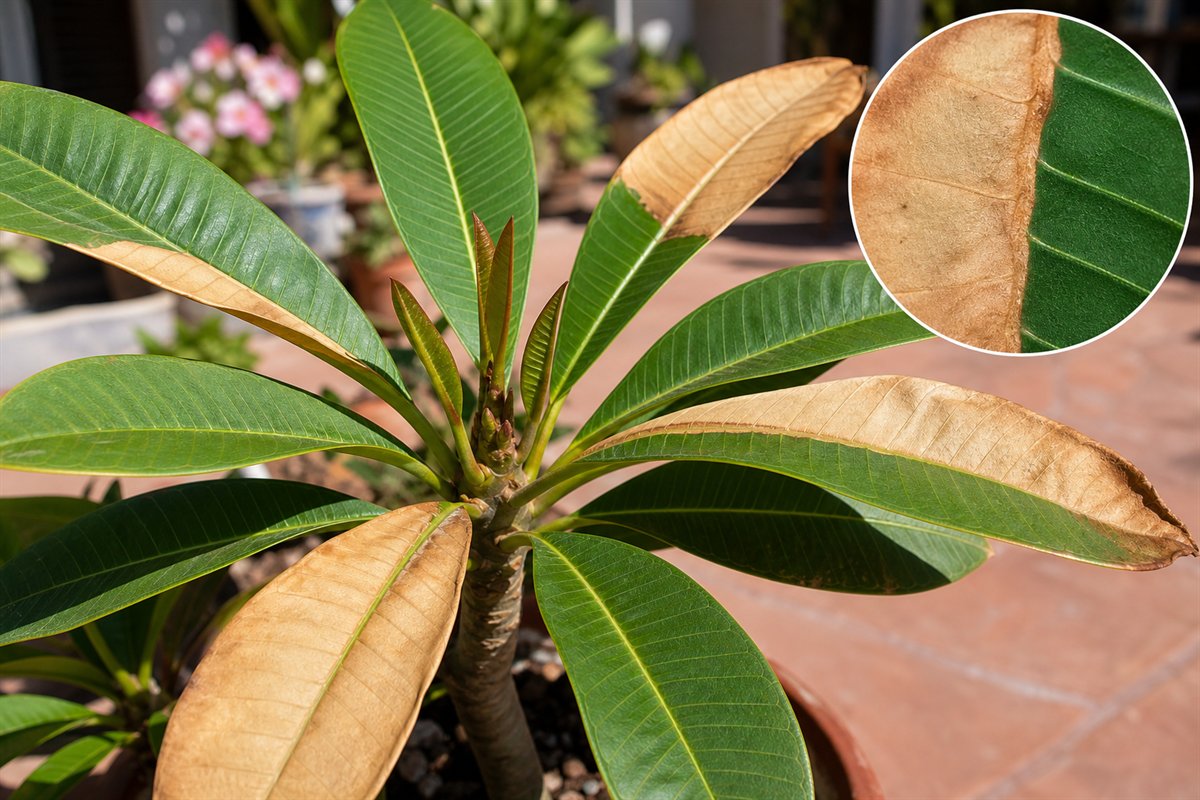
- LeavesYellowing, spots, coatings, wilt, scorch, or chewing.
- Flowers and budsBud drop, bloom damage, poor opening, or no flowers.
- Trunk and branchesSoftness, black tips, cankers, holes, or breakage.
- Roots and soilDrainage, root loss, soil problems, pests, or salts.
- The whole plantStunting, sparse growth, leaning, decline, or dormancy.
I think I know what may be causing it
Choose this route when you already suspect a pest, disease, feeding problem, weather event, or injury. Each checker compares the leading cause with common look-alikes.
Possible-Cause Checkers
- Insects and pestsSucking pests, chewing pests, borers, snails, slugs, and root pests.
- Disease and rotRust, spots, mildew, soft rot, stem rot, root rot, or viruses.
- Nutrition and fertilizerDeficiency patterns, pH, salts, feeding history, and root uptake.
- Environmental damageSunburn, heat, cold, wind, drought, flooding, hail, or salt exposure.
- Physical damageBreaks, bruises, rubbing, constriction, pruning, transport, or animals.
I am growing a cutting or seedling
Cuttings and seedlings have different roots, water needs, and warning signs than established plumeria. Start with the plant stage rather than a general-care answer.
Cuttings & Seedlings
- Cutting Condition CheckerCallus, rooting progress, rot, dehydration, mold, and new roots.
- Seedling Condition CheckerGermination, coat shedding, cotyledons, damping-off, light, and moisture.
- Germination and Seedling Progress TrackerSave planting dates, growth stages, and dated batch check-ins.
The tools can work together
Every checker can be used without an account. An account is required only when you want to save a microclimate profile, project, or care plan for future visits.
Questions and Guide Search
Ask Plu.Me™
Ask a general plumeria care question and receive a concise answer using information published in the Plumeria Care Guide.
Ask a plumeria questionMy Plumeria
Keep your growing information for future visits.
Create a free account to save Growing Areas, care plans, private notes, and progress check-ins.