
The Plumeria Pests and Diseases Guide is an essential resource for identifying, preventing, and treating the most common threats to plumeria plants, including pests, fungi, and environmental stressors. This guide offers detailed information on how to recognize early signs of trouble, from insect infestations to fungal infections, and provides practical solutions to address these issues. It also covers strategies for managing environmental factors such as excessive humidity, temperature fluctuations, and poor soil conditions, which can weaken plumeria. With expert tips on natural and chemical treatments, as well as proactive care practices, this guide ensures your plumeria remains healthy, resilient, and free from common ailments, allowing it to thrive season after season.
How to Treat Leafhoppers on Plumeria (Organic & Chemical Control Methods)
What to check next
This guide helps you confirm that a living pest is present, identify where it is feeding, and choose a measured response without treating inactive damage. Read the detailed explanation, then use this sequence to decide what to do.
Confirm the evidence for leafhoppers
- Look for
- Wedge-shaped insects that hop or fly quickly, pale stippling, cast skins, and feeding concentrated on leaves or tender stems.
- Compare with
- Mites, whiteflies, planthoppers, and nutrient or sun stress may cause pale leaves without the characteristic mobile insect.
- Safest first response
- Confirm the insect with a close photo or capture, inspect nearby weeds and hosts, and treat only active damaging populations.
Microclimate clue: Warm seasons and nearby host vegetation can produce short bursts of leafhopper activity rather than a permanent colony.
- 1
Inspect before treating
Use bright light and magnification on leaf undersides, tips, petioles, stems, and the soil line.
- 2
- 3
Identify the feeding pattern
Separate sucking, chewing, mining, boring, and root-zone damage.
- 4
Start with the least disruptive action
Isolate, wash, and use only a treatment labeled for the confirmed pest and plant.
- 5
Repeat the inspection
Eggs or protected life stages can survive the first response, so follow-up checks matter.
How microclimate changes this answer
Dry heat favors mites, protected humid growth favors some scale and mealybugs, and wet shade increases snail and slug activity.
Compare this insect or pest pattern with healthy growth
Use these references to confirm that this article matches the visible pattern before changing care or applying a treatment.
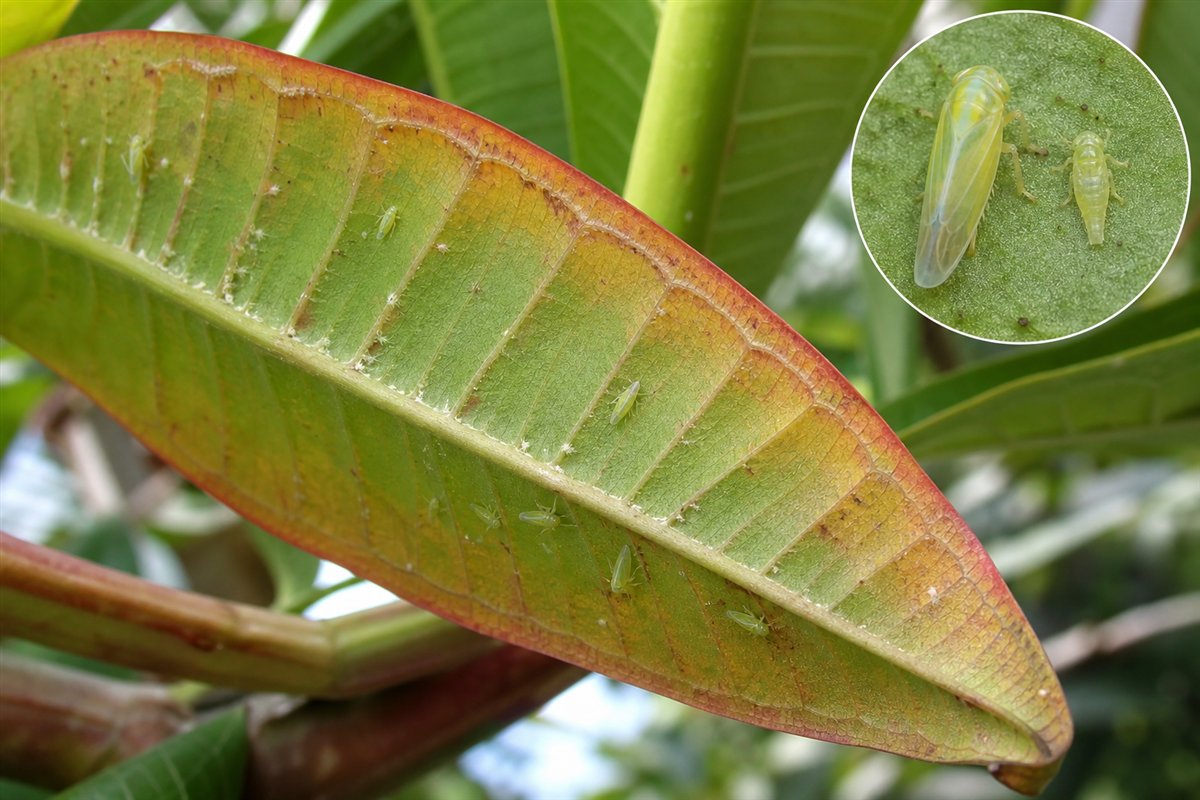 Condition reference
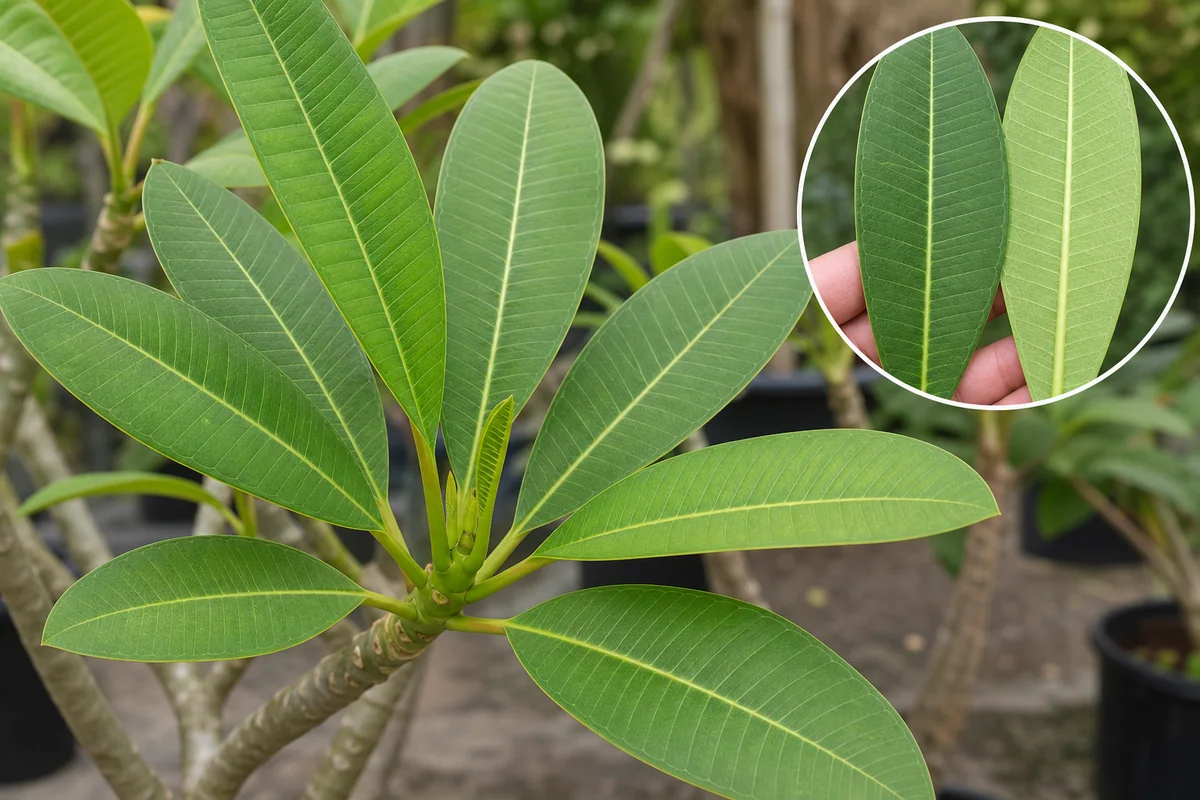 Healthy baseline
- LocationCheck which plant part, age of growth, and exposed or protected side is affected.
- TextureDecide whether the evidence is dry, powdery, sticky, raised, translucent, soft, or intact.
- ProgressionPhotograph the same area so you can tell whether the pattern is stable, improving, or spreading.
Use more than one clue. Confirm the photo with recent conditions, roots, watering history, and the rest of the plant before acting.
Leafhopper Guide Path
- Identify leafhoppers when leaves show marginal yellowing, pink or bronze discoloration, puckering, hooked tips, cast skins, or small insects that jump or move sideways.
- Treat leafhoppers when active nymphs or adults are present and new damage is spreading.
- Prevent leafhoppers by inspecting new plants, reducing stress, encouraging beneficial insects, and monitoring young leaves during warm weather.
Treat leafhoppers only after you confirm active insects or fresh spreading damage. Old leafhopper injury will not turn green again, so the goal is to protect new leaves, reduce active nymphs and adults, and prevent the plant from losing more useful foliage.
Where This Page Fits
Leafhopper treatment guide. Use this page after active leafhoppers or clear leafhopper damage have been confirmed.
- If you still need to confirm the pest, use How to Identify Leafhoppers on Plumeria. Before spraying, review the Treatment Safety Checklist. For longer-term control, move to How to Prevent Leafhoppers on Plumeria.
Leafhoppers Article Path
Use this group in order when possible: identify the problem, treat only when needed, then prevent repeat outbreaks or recurrence.
- Identify leafhoppers
How to Identify Leafhoppers on Plumeria – Signs, Damage & Detection - Treat leafhoppers
How to Treat Leafhoppers on Plumeria (Organic & Chemical Control Methods) - Prevent leafhoppers
How to Prevent Leafhoppers on Plumeria (Year-Round and Seasonal Strategies)
Safety and diagnostics: before applying products, review the Treatment Safety Checklist. If symptoms do not match this group, return to the Pest & Disease Identification Guide.
Before Applying Any Product
Use this article after the pest or disease has been identified. Before applying oils, soaps, sprays, drenches, fungicides, insecticides, miticides, systemics, copper, sulfur, peroxide products, biological products, or homemade mixtures, check the safety and application-method pages below.
- Treatment Safety Checklist
- Soil Drenches, Sprays, and Foliar Applications
- How to Mix and Apply Garden Products Safely
- When to Treat vs. Monitor Plumeria Pests
Why: the same product can help or harm depending on plant stress, weather, concentration, coverage, timing, beneficial insects, and whether the problem is active.
Leafhoppers are mobile, so a single quick spray is rarely the whole answer. Good treatment combines inspection, canopy rinsing, targeted coverage of leaf undersides, beneficial insect protection, and follow-up monitoring.
Step-by-Step Treatment
- Confirm the pest. Turn leaves over and look for nymphs, adults, cast skins, or fast sideways movement before treating.
- Rinse the canopy in the morning. A firm water spray can dislodge nymphs and remove dust that interferes with predators and spray coverage. This is different from watering the soil; the target is the leaf surface.
- Remove badly damaged leaves if needed. If leaves are heavily distorted and harboring nymphs, bag and discard them. Do not compost heavily infested leaves.
- Use low-impact contact treatments first. Insecticidal soap or horticultural oil may reduce nymphs when applied directly to leaf undersides. Follow the label and avoid spraying hot, sun-stressed, drought-stressed, or freshly watered plants in direct sun.
- Protect beneficial insects. Spiders, lacewings, lady beetles, minute pirate bugs, and small parasitic wasps can help reduce leafhopper pressure. Avoid broad sprays when predators are active unless damage is severe and confirmed.
- Monitor with yellow cards if useful. Sticky cards can show whether leafhoppers are active, but they do not replace leaf inspection.
- Escalate only when necessary. If leafhoppers remain severe, use only products labeled for the site, plant type, and target pest. Follow local rules and avoid applying anything during bloom or when pollinators may be active nearby.
When Treatment Is Worth It
- New leaves are puckering, cupping, or developing hooked tips.
- Leaf margins are becoming yellow, pink, bronze, or scorched while insects are present.
- Several plants show active nymphs or adults on young leaves.
- Leaf loss or reduced blooming is becoming noticeable.
- A newly purchased or incoming plant shows symptoms and may introduce the pest to a collection.
What Not to Do
- Do not treat old damage as active infestation. Damaged leaves may remain discolored after the pest is gone.
- Do not rely on soil watering to control leafhoppers. Leafhopper activity is on the canopy, especially leaf undersides.
- Do not spray oils or soaps in heat or direct sun. Plumeria leaves can burn when stressed or when sprays dry too slowly or too harshly.
- Do not use broad insecticides as a routine first step. They can reduce beneficial insects and may make future pest balance worse.
- Do not ignore look-alikes. Mites, thrips, rust, powdery mildew, and nutrient stress require different responses.
Aftercare
After treatment, watch the newest leaves rather than the oldest damaged leaves. Improvement means new leaves expand flatter, leaf edges stay green, and fewer nymphs or adults appear on the underside of leaves. Keep the plant evenly watered, reduce dust, and avoid pushing weak plants with excessive fertilizer while they recover.
Leafhopper Treatment Decision
Leafhoppers are small jumping sap-feeding insects in the family Cicadellidae. On plumeria, the important question is whether they are present and feeding now, or whether the plant only has old stippling, pale specks, or stress symptoms from another cause.
- Confirm active insects before treating. Why: leafhoppers jump quickly, and old feeding specks can remain after they move on.
- Inspect leaf undersides and tender growth. Why: adults and nymphs often hide where they are protected.
- Use water rinsing or removal first when pressure is light. Why: many small outbreaks can be reduced without harsher products.
- Treat only when feeding is active or spreading. Why: unnecessary sprays can disrupt beneficial insects.
- Compare with mites, thrips, and whiteflies. Why: several sap-feeding pests can create pale speckling or weak growth.
Before treating, review the Treatment Decision Guide and the Treatment Safety Checklist.
Target Active Nymphs Before Escalating Treatment
Confirm wedge-shaped adults or wingless nymphs that jump, fly, or move rapidly sideways. Stippling alone can also come from mites, thrips, lace bugs, or environmental stress.
| Situation | Logical next step |
|---|---|
| Occasional adult, little fresh injury | Monitor tender growth and leaf undersides. Rinse suitable foliage and remove heavily damaged leaves only when useful. A mobile adult may visit without creating an established population. |
| Nymphs or repeated fresh stippling | Protect lacewings, assassin bugs, spiders, and other predators. If treatment is needed, use a labeled insecticidal soap or horticultural oil with careful underside coverage. Exposed nymphs are generally easier to contact than fast-moving adults. |
| Adults continue arriving from nearby vegetation | Manage weeds and alternate hosts around the growing area where practical, but avoid indiscriminate spraying of surrounding habitat that supports beneficial insects. |
| Severe, confirmed injury that persists | Consider a broader chemical or systemic option only as a last resort and only when labeled for leafhoppers and the intended ornamental use site. Avoid open blooms and pollinator exposure, protect beneficial insects, and prevent runoff. |
Test contact products on a small area and avoid heat, strong sun, drought stress, and incompatible mixtures. Recheck new growth after the labeled interval and repeat only when current evidence remains.
Related Guides
- How to Identify Leafhoppers on Plumeria – Signs, Damage & Detection
- How to Prevent Leafhoppers on Plumeria (Year-Round and Seasonal Strategies)
- Integrated Pest Management for Plumeria
- Treatment Safety Checklist
- Pest & Disease Identification Guide
Turn the explanation into an action plan
- Monitor
- Check the same marked leaves and nearby plants every three to seven days until no active pests or fresh damage remain.
- Change one thing
- Make the smallest justified correction, record the date, and avoid stacking treatments before you can see which one helped.
- Escalate when needed
- Seek local diagnostic help when damage accelerates despite treatment, borers enter major stems, or the pest cannot be identified.