
Welcome to the Plumeria Cultivation & Planting Guide. This is your definitive starting point for turning rooted cuttings, seedlings, or mature specimens into thriving, bloom-laden trees. Inside, you’ll learn how to choose the ideal micro-climate. You will craft well-draining soil mixes. Mastering container-versus-in-ground decisions is also included. You will time each planting task to your growing zone. Step-by-step instructions guide each aspect of planting. Troubleshooting checkpoints help resolve common issues. Nutrition tips based on science ensure your plumeria has strong roots, vigorous growth, and abundant flowers. Whether you garden on a balcony or use raised beds, this guide offers decades of practical experience. It is also helpful if you maintain a full grove. It turns that knowledge into practical, easy-to-follow advice. The guide empowers beginners and seasoned collectors alike to cultivate with confidence.
Grasshoppers and Large Chewers: Deterrents that Work
What to check next
This guide helps you connect growth habit, light, roots, water, nutrition, season, and cultivar traits before trying to correct the whole plant. Read the detailed explanation, then use this sequence to decide what to do.
- 1
Describe the whole pattern
Compare height, branching, canopy density, leaf size, flowering, leaning, and vigorous areas.
- 2
Check the foundation
Inspect anchorage, container size, roots, drainage, and the amount and direction of light.
- 3
Compare season and cultivar
Confirm whether the habit is new, worsening, seasonal, or normal for the variety.
- 4
Correct the strongest limiter
Address the clearest root, light, structural, moisture, or nutrition limitation first.
- 5
Measure new growth
Use dated photos, internode length, branching, and the next leaf flush to judge progress.
How microclimate changes this answer
A sheltered wall, partial canopy, wind, container heat, and winter storage can shape the plant more than its regional Zone.
Compare this insect or pest pattern with healthy growth
Use these references to confirm that this article matches the visible pattern before changing care or applying a treatment.
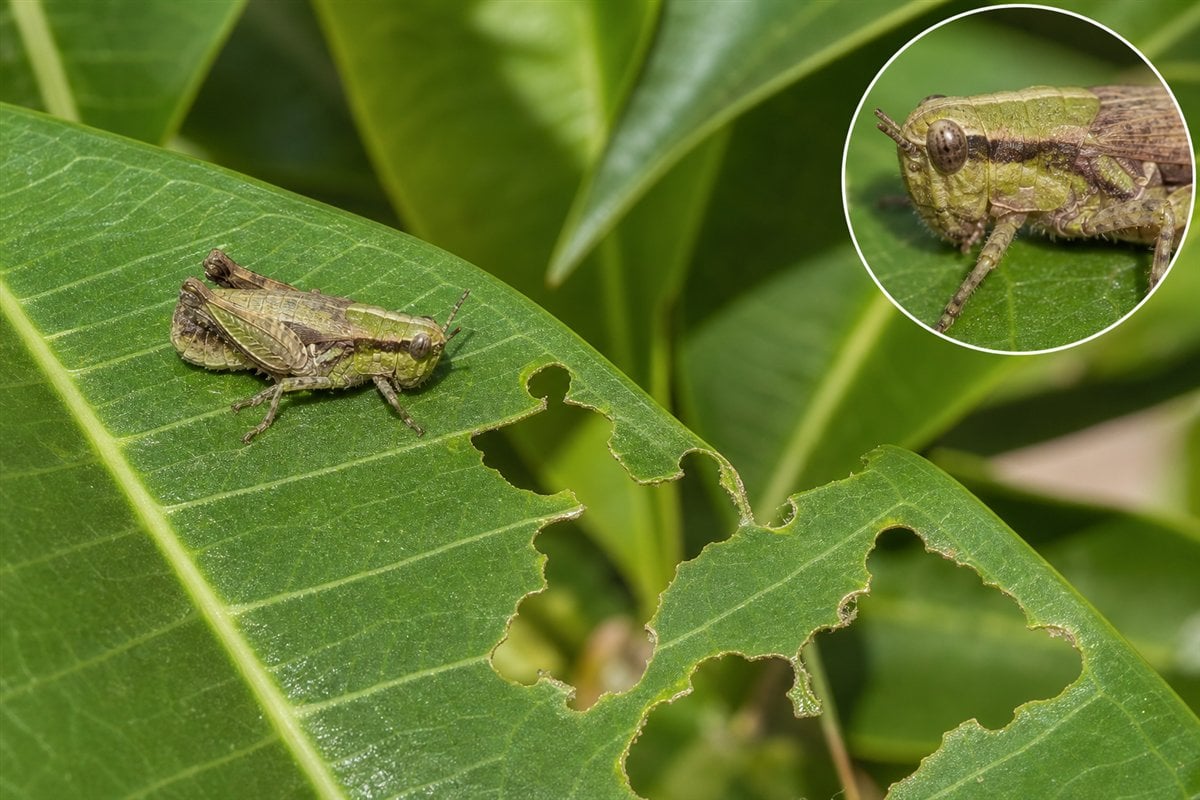 Condition reference
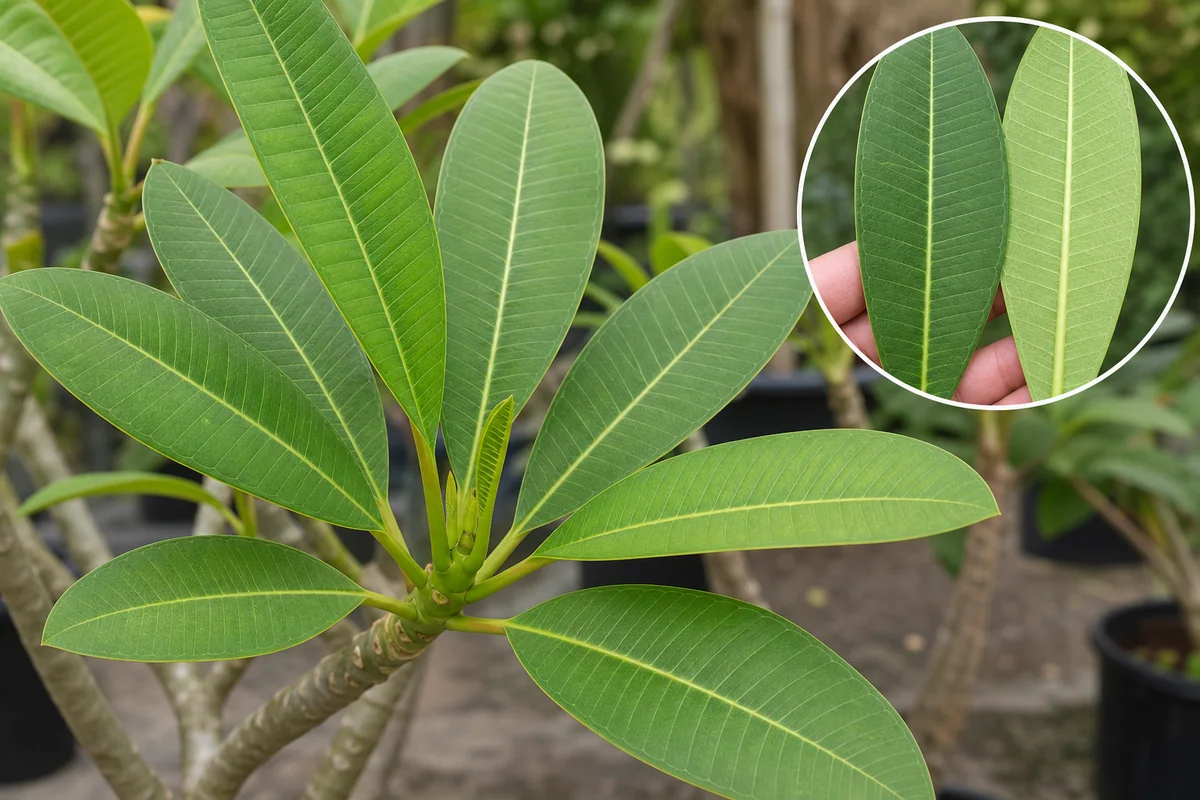 Healthy baseline
- LocationCheck which plant part, age of growth, and exposed or protected side is affected.
- TextureDecide whether the evidence is dry, powdery, sticky, raised, translucent, soft, or intact.
- ProgressionPhotograph the same area so you can tell whether the pattern is stable, improving, or spreading.
Use more than one clue. Confirm the photo with recent conditions, roots, watering history, and the rest of the plant before acting.
Grasshoppers and Large Chewers: Deterrents that Work
Protecting Plumeria from Big Bites with Proven Defense Strategies
Plumeria are often thought of as pest-resistant, but when grasshoppers, caterpillars, or beetles arrive, they can strip leaves, chew through tender tips, and ruin blooms—fast. These large chewing pests can defoliate young trees in days and leave established specimens ragged and stressed, especially during mid-to-late summer when populations peak.
This guide explains how to identify large chewers like grasshoppers, beetles, and caterpillars, and shares deterrents and control methods that actually work, from organic repellents to protective barriers and, when necessary, chemical tools.
Who Are the “Large Chewers”?
| Pest | Signs |
|---|---|
| Grasshoppers | Large chunks missing from leaves, especially mid-blade; often seen jumping or flying when disturbed |
| Tetrio Sphinx Caterpillars | Entire leaves devoured, only midribs left; group feeding |
| Beetles (June beetles, leaf beetles) | Irregular holes in leaves; most active at dusk/night |
| Cutworms or Armyworms | Feed at night; may chew stems or leaf bases |
| Snails/Slugs (in humid zones) | Large, jagged holes with slime trails |
Unlike mites or aphids, these pests leave big, obvious bite marks and can remove entire leaves within a day or two.
Signs You’re Dealing with Large Chewers
- Visible bite marks or missing leaf sections
- Sudden leaf loss overnight
- Frass (droppings) around pot edges or leaf undersides
- Presence of large pests on branches or leaf joints
- Chewed tips or girdled young stems
- Night-time activity (many feed in early morning or after dusk)
✅ Organic Deterrents That Work
1. Garlic & Chili Spray
- Repels grasshoppers, beetles, and caterpillars
- Blend garlic cloves, hot pepper, water, and a drop of soap
- Spray on leaves weekly, especially new growth
- Avoid during peak heat or bloom
2. Neem Oil (1%)
- Works as a deterrent and feeding suppressant
- Best for soft-bodied feeders and early-stage caterpillars
- Apply every 7 days; avoid high heat conditions
- May not deter large beetles or adult grasshoppers
3. Bacillus thuringiensis (BT)
- A microbial insecticide that targets caterpillars only
- Safe for beneficial insects and plumeria blooms
- Spray on leaf surfaces and undersides—reapply after rain
4. Physical Barriers
- Use fine mesh or floating row cover to protect young plants or seedling beds
- Stake lightweight mesh around container edges
- Useful during grasshopper swarms or known outbreaks
5. Trap Crops
- Plant more attractive host plants nearby (e.g., hibiscus, amaranth)
- These “decoys” draw pests away from your plumeria
- Monitor and prune heavily-infested decoys weekly
Non-Organic (Chemical) Control Options
Use when infestations are large, persistent, or causing rapid damage.
| Product | Notes |
|---|---|
| Carbaryl (Sevin) | Broad-spectrum contact insecticide for large chewers |
| Spinosad | Targets caterpillars, beetles, and some grasshoppers |
| Pyrethrin-based sprays | Fast knockdown, short residual |
| Bifenthrin | Kills adult grasshoppers and beetles on contact |
Application Tips:
- Spray in early morning or evening
- Target leaf edges, tips, and undersides
- Do not spray during bloom to protect pollinators
- Rotate products to prevent resistance
What Doesn’t Work Well
| Method | Limitation |
|---|---|
| Sticky traps | Ineffective for large pests; too small |
| Soap sprays alone | Won’t deter or kill larger insects |
| Coffee grounds or citrus peels | Unlikely to deter grasshoppers or beetles |
| Companion planting | Marginal benefit for flying/chewing pests |
Prevention Tips
| Strategy | Why It Helps |
|---|---|
| Keep ground free of weeds and debris | Reduces grasshopper breeding zones |
| Remove leaf litter around containers | Discourages hiding beetles or cutworms |
| Prune dense interiors in late summer | Improves visibility and airflow |
| Inspect daily during high activity periods | Early detection = better control |
| Raise containers off the ground | Makes access harder for crawling pests |
Conclusion
Large chewing pests like grasshoppers, caterpillars, and beetles can defoliate plumeria rapidly if not addressed. While chemical options are effective in severe infestations, many growers can prevent serious damage through natural deterrents, microbial sprays like BT, mesh barriers, and frequent inspections. The key is knowing what pest you’re dealing with—and responding early with the right solution.
Turn the explanation into an action plan
- Monitor
- Compare whole-plant photographs monthly during active growth and at each seasonal transition.
- Change one thing
- Make the smallest justified correction, record the date, and avoid stacking treatments before you can see which one helped.
- Escalate when needed
- Inspect roots and major stems promptly when decline is sudden, anchorage fails, or several branches soften or die back.