
The Plumeria Pests and Diseases Guide is an essential resource for identifying, preventing, and treating the most common threats to plumeria plants, including pests, fungi, and environmental stressors. This guide offers detailed information on how to recognize early signs of trouble, from insect infestations to fungal infections, and provides practical solutions to address these issues. It also covers strategies for managing environmental factors such as excessive humidity, temperature fluctuations, and poor soil conditions, which can weaken plumeria. With expert tips on natural and chemical treatments, as well as proactive care practices, this guide ensures your plumeria remains healthy, resilient, and free from common ailments, allowing it to thrive season after season.
How to Treat Scale Insects on Plumeria (Organic & Systemic Options)
What to check next
This guide helps you confirm that a living pest is present, identify where it is feeding, and choose a measured response without treating inactive damage. Read the detailed explanation, then use this sequence to decide what to do.
Confirm the evidence for scale insects
- Look for
- Firm or soft attached bumps on stems, petioles, and leaf undersides; crawlers, honeydew, ants, or sooty mold may also be present.
- Compare with
- Normal lenticels, healed scars, dried sap, edema, and stem texture should not be treated as scale without a lift or crush test.
- Safest first response
- Isolate, remove manageable colonies, inspect nearby plants, and time any labeled treatment to the vulnerable crawler stage.
Microclimate clue: Dense sheltered canopies and protected winter storage can allow scale to persist unnoticed between growing seasons.
- 1
Inspect before treating
Use bright light and magnification on leaf undersides, tips, petioles, stems, and the soil line.
- 2
- 3
Identify the feeding pattern
Separate sucking, chewing, mining, boring, and root-zone damage.
- 4
Start with the least disruptive action
Isolate, wash, and use only a treatment labeled for the confirmed pest and plant.
- 5
Repeat the inspection
Eggs or protected life stages can survive the first response, so follow-up checks matter.
How microclimate changes this answer
Dry heat favors mites, protected humid growth favors some scale and mealybugs, and wet shade increases snail and slug activity.
Compare this insect or pest pattern with healthy growth
Use these references to confirm that this article matches the visible pattern before changing care or applying a treatment.
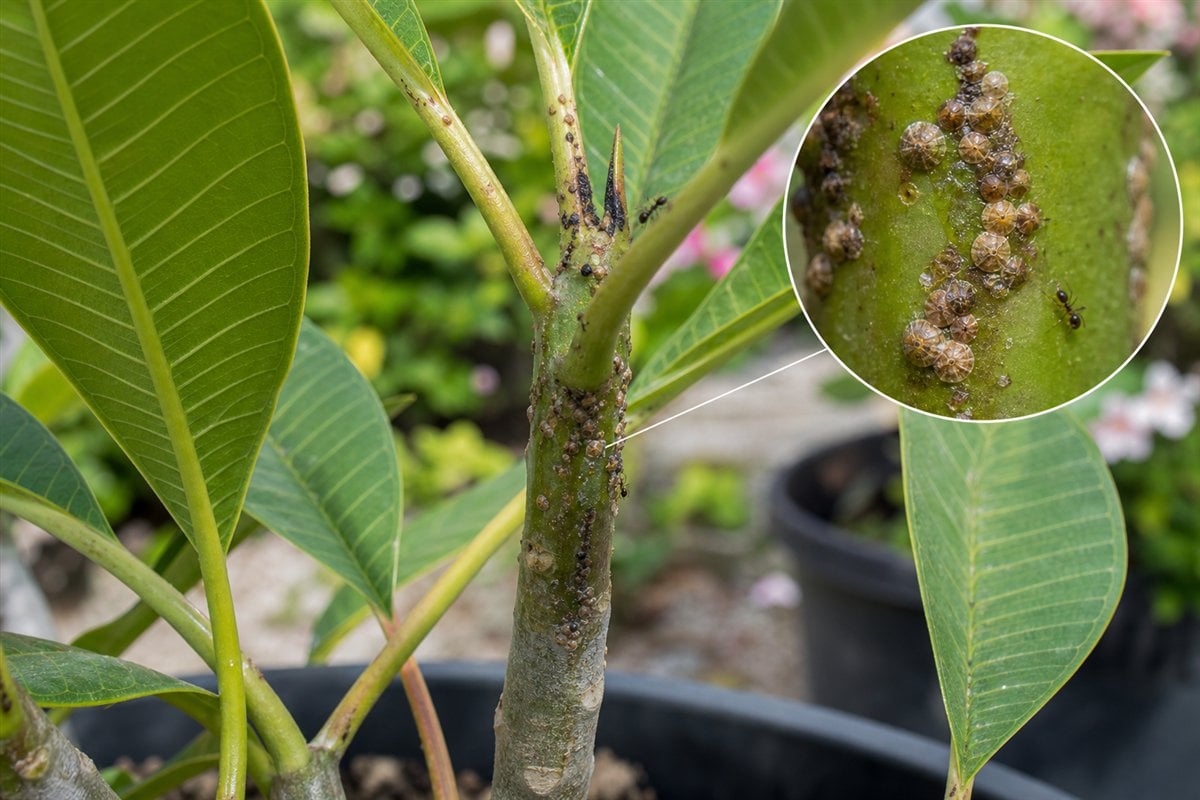 Condition reference
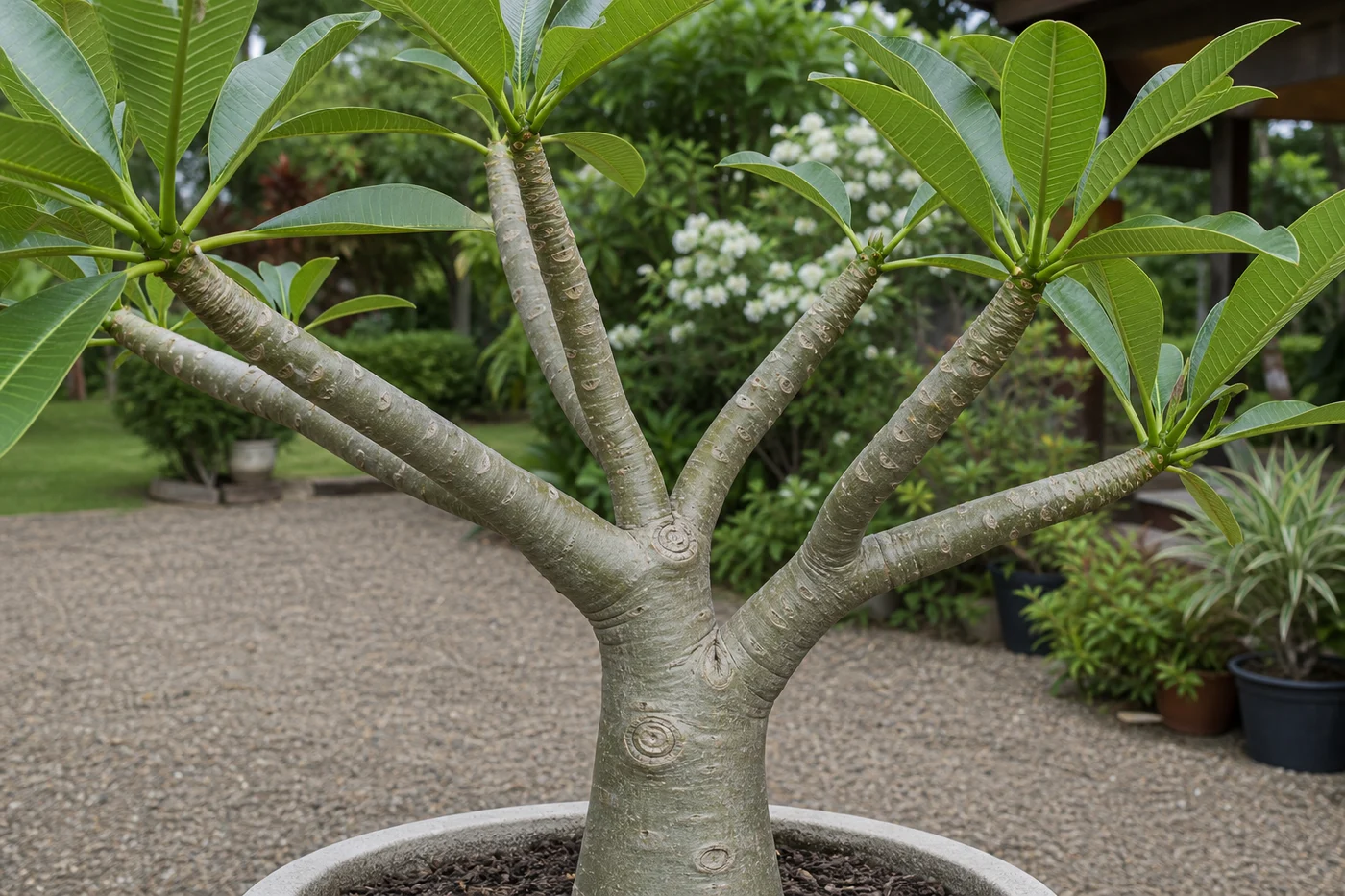 Healthy baseline
- LocationCheck which plant part, age of growth, and exposed or protected side is affected.
- TextureDecide whether the evidence is dry, powdery, sticky, raised, translucent, soft, or intact.
- ProgressionPhotograph the same area so you can tell whether the pattern is stable, improving, or spreading.
Use more than one clue. Confirm the photo with recent conditions, roots, watering history, and the rest of the plant before acting.
Scale insects decision path: Treat only after the defining evidence is present or the pest has been directly observed.
- Confirm: Look for fixed shell-like covers or bumps that remain attached to stems and leaf veins. Gently test a sample; scale covers lift or scrape away, while normal lenticels and corking are part of the plant tissue.
- Start conservatively: Isolate when practical and remove a small infestation by hand or with a soft tool that will not injure the stem. Inspect hidden joints before deciding that treatment is complete.
- Escalate only when justified: If active pests persist, choose a product specifically labeled for the pest and the treatment site. Follow the label for dilution, coverage, interval, maximum applications, protective equipment, and temperature limits. Test a small area first.
- Protect flowers and beneficial insects: Avoid spraying open blooms or treating when bees and other pollinators are visiting. Never combine products unless both labels expressly allow it.
- Monitor: Reinspect every 7 days for crawlers and newly occupied tissue; continue until two consecutive checks show no live scale or fresh honeydew.
Microclimate check: Consider recent heat, rain, humidity, wind, indoor protection, plant stage, and whether the plumeria is potted or in-ground before choosing an action. These recommendations are a logical course based on observed evidence, not a guaranteed diagnosis.
Scale Insect Guide Path
- Identify scale insects when small bumps stay attached to stems, petioles, leaf ribs, or leaf undersides.
- Treat scale insects when live scale, crawlers, honeydew, ants, or spreading plant decline are confirmed.
- Prevent scale insects by inspecting new plants, managing ants, protecting beneficial insects, and checking protected plant parts regularly.
Scale treatment works best when it is targeted and repeated at the right stage. Mature scale covers protect the insect, so contact sprays often work better against crawlers and young scale than against old, hardened adults. The goal is to remove what you can, stop ants from protecting colonies, and treat active stages without burning the plumeria.
Scale Insects Article Path
Use this group in order when possible: identify the problem, treat only when needed, then prevent repeat outbreaks or recurrence.
- Identify scale insects
How to Identify Scale Insects on Plumeria - Treat scale insects
How to Treat Scale Insects on Plumeria (Organic & Systemic Options) - Prevent scale insects
How to Prevent Scale Insects on Plumeria (Seasonal and Year-Round Strategies)
Safety and diagnostics: before applying products, review the Treatment Safety Checklist. If symptoms do not match this group, return to the Pest & Disease Identification Guide.
Before Applying Any Product
Use this article after the pest or disease has been identified. Before applying oils, soaps, sprays, drenches, fungicides, insecticides, miticides, systemics, copper, sulfur, peroxide products, biological products, or homemade mixtures, check the safety and application-method pages below.
- Treatment Safety Checklist
- Soil Drenches, Sprays, and Foliar Applications
- How to Mix and Apply Garden Products Safely
- When to Treat vs. Monitor Plumeria Pests
Why: the same product can help or harm depending on plant stress, weather, concentration, coverage, timing, beneficial insects, and whether the problem is active.
Before treating, confirm that the scale is alive and active. Old dead scale covers can remain attached for a long time, and spraying dead covers will not improve the plant.
Step-by-Step Treatment
- Isolate the plant if practical. Keep heavily infested potted plumeria away from clean plants until crawlers and ants are under control.
- Physically remove heavy colonies. Wipe stems and petioles with a soft cloth or gently dislodge scale with a soft brush. Avoid gouging the bark.
- Prune only when needed. Remove severely infested, weak, or declining tips if the plant can tolerate it. Bag and discard the material.
- Control ants. Ants protect honeydew-producing scale from predators. If ants remain active, scale control is often slower and less reliable.
- Target crawlers and young scale. Insecticidal soap or horticultural oil can help when applied with thorough coverage to infested stems, petioles, and leaf undersides. Follow the label carefully.
- Repeat based on inspection. Because new crawlers can appear after the first treatment, recheck the plant and repeat only as the label allows.
- Escalate cautiously. Systemic or stronger insecticides should be reserved for confirmed, persistent infestations and must be labeled for the plant, location, and target pest.
When to Treat
- Scale is spreading from one stem or plant to another.
- Honeydew, ants, or sooty mold are increasing.
- Leaves are yellowing, dropping, or growth is weakening.
- You find crawler stages or fresh young scale.
- A new plant arrives with visible attached scale.
What Not to Do
- Do not scrape deeply into plumeria bark. Wounds can invite rot or secondary problems.
- Do not spray oils or soaps in heat, direct sun, or drought stress. Plumeria leaves and tender stems can burn.
- Do not ignore ants. Ant control is often part of soft scale control because ants protect the scale colony.
- Do not assume one spray is enough. Crawlers may emerge after the first treatment.
- Do not use broad insecticides first without a reason. They can reduce beneficial insects that help control scale naturally.
- Do not treat root mealybugs as stem scale. Root-zone pests need different inspection and treatment steps.
Aftercare
After treatment, watch for new crawlers, fresh honeydew, returning ants, and new scale on protected plant parts. Healthy new growth is a better sign of recovery than the appearance of old damaged leaves or old scale covers. Keep the plant evenly watered, but do not overwater a weakened root system.
Scale Treatment Timing
Scale treatment depends on stage. Mature covers protect the insect, so a single contact spray may not reach every scale insect. The best window is often when crawlers are present, when new scale is appearing, or when honeydew, ants, and plant decline show the colony is still active.
- Monitor first when only a few old, dry covers remain and no crawlers, honeydew, ants, or new decline are present.
- Treat when scale is spreading, crawlers are visible, ants are active, sticky residue appears, or the plant is weakening.
- Repeat inspection after treatment because old covers can remain attached even when the insect underneath is dead.
- Manage ants because they can protect honeydew-producing scale and interfere with natural control.
What Not to Do
- Do not spray oil in heat or direct sun. Why: oils and soaps can burn plumeria leaves, especially on hot, stressed, or dry plants.
- Do not scrape stems aggressively. Why: wounds can invite disease and may damage tender tissue more than the scale did.
- Do not assume one spray is finished control. Why: crawlers may hatch later and old covers can hide what is still active.
- Do not use systemic products casually. Why: labels, timing, pollinator exposure, plant stress, and local rules matter.
Before using oils, soaps, systemic products, or repeated sprays, review the Treatment Safety Checklist and the Treatment Decision Guide.
Confirm Active Scale Before Acting
Scale treatment works best when the infestation is active. Before choosing a spray, oil, soap, or systemic approach, confirm that the bumps are living scale rather than old shells, bark marks, dried sap, scars, or residue.
- Inspect protected areas where scale hides: stems, petioles, leaf undersides, branch joints, and nodes.
- Look for new crawlers, sticky honeydew, ants, sooty mold, yellowing leaves, or expanding clusters.
- Test one small area gently. Old shells may remain after control, but active scale usually shows fresh bodies or new spread.
- When in doubt, monitor for several days before escalating treatment.
Match Treatment to the Scale Type and Life Stage
Confirm that the bumps are living scale rather than lenticels, scars, dried sap, edema, or normal bark texture. Treatment works best against newly hatched crawlers before their protective covering develops.
| What you confirm | Logical next step |
|---|---|
| A few attached scales | Isolate the plant when practical and physically remove or wipe away the insects without injuring the stem. Reinspect branch junctions, leaf undersides, and tender growth. |
| Soft scale or exposed crawlers | Protect beneficial predators and parasitoids. If needed, use a labeled insecticidal soap or horticultural oil with thorough contact coverage. Repeat only at the labeled interval while live crawlers remain. |
| Armored scale | The shell reduces the effectiveness of ordinary contact sprays. Time horticultural oil or another labeled product to crawler activity and verify live insects before repeating. Old empty covers can remain attached after control. |
| Severe, confirmed infestation that persists | Consider a systemic or broader chemical product only as a last resort and only when its label covers the scale type and intended ornamental use site. Effectiveness differs among armored and soft scales. Avoid open blooms and pollinator exposure, protect beneficial insects, and prevent runoff. |
Test soaps and oils on a small area, and avoid heat, strong sun, drought-stressed plants, and incompatible product mixtures. Judge success by the absence of live scale and healthy new growth, not by old covers alone.
Related Guides
- How to Identify Scale Insects on Plumeria
- How to Prevent Scale Insects on Plumeria (Seasonal and Year-Round Strategies)
- Ants and Plumeria
- Treatment Safety Checklist
- Pest & Disease Identification Guide
Turn the explanation into an action plan
- Monitor
- Check the same marked leaves and nearby plants every three to seven days until no active pests or fresh damage remain.
- Change one thing
- Make the smallest justified correction, record the date, and avoid stacking treatments before you can see which one helped.
- Escalate when needed
- Seek local diagnostic help when damage accelerates despite treatment, borers enter major stems, or the pest cannot be identified.